Loading…
Service
Deck Roofing System
Membrane roofing systems designed and installed for occupied rooftops. TPO, EPDM, modified bitumen, and PVC — specified for the deck assembly above them, not as standalone roofing. Inspection through construction, one contract.
The Membrane Under the Deck
Why Deck Roofing Fails in Chicago
We built roof decks in Chicago for twenty years before we became a building envelope firm. Every membrane failure we've seen, we found from the deck side — pulling pavers, lifting pedestals, looking at damage that the roofer never knew was there. Most roof deck failures start at the membrane — not the deck surface. A flat roof under an occupied deck handles everything a standard Chicago flat roof handles — 100+ freeze-thaw cycles, ponding water, wind uplift — plus concentrated point loads from pedestal systems, trapped moisture in the cavity between membrane and deck surface, and zero visibility when something goes wrong. Water pools under the pavers where nobody sees it. Ice forms around drain inlets and blocks drainage. One inch of standing water over a hundred square feet adds 135 pounds of dead load the structure wasn't designed for. By the time the leak shows up on the ceiling below, the membrane's been sitting in water for months.
What We Look For
We assess the full assembly — not just the membrane surface. Drainage slope verified at minimum quarter-inch per foot to every drain head. Tapered insulation layout checked against the pedestal plan so water actually reaches the drains, not dead spots between pedestals. Every penetration — electrical conduit, gas lines, plumbing for sinks or irrigation — mapped and evaluated for flashing integrity. Parapet base flashing measured for height above the finished deck surface, not the membrane. When a deck raises the floor level four to six inches on pedestals, base flashing needs to extend eight inches above that — twelve to fourteen inches above the membrane. Most roofers flash to the old height and call it done. We pull sections of deck surface to inspect the membrane underneath — protection board condition, drainage mat saturation, pedestal pad compression. On re-roofs, we core-cut to check insulation moisture content. Wet insulation doesn't dry under a deck. It has to come out.
How We Build It
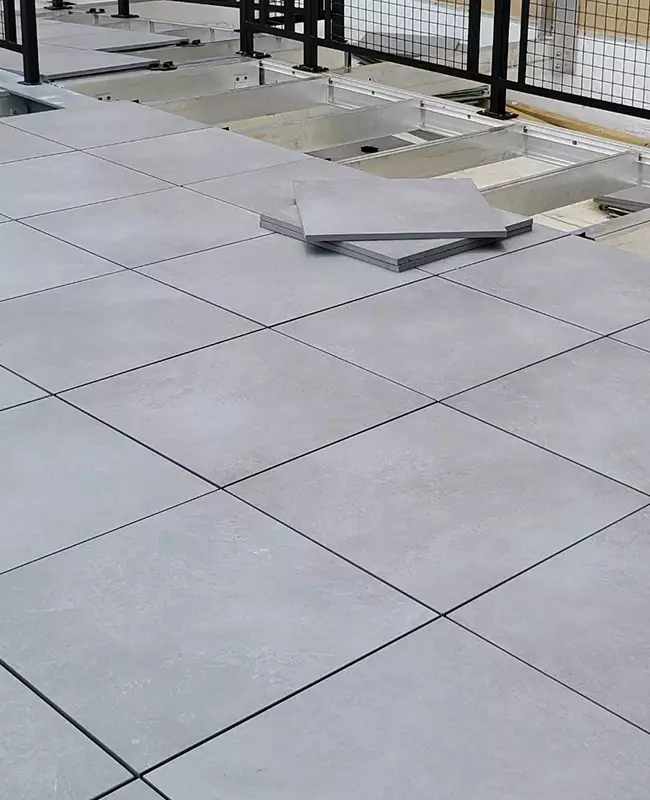
The assembly goes down in sequence and every layer depends on the one below it. Vapor retarder on the structural deck. Polyiso insulation — R-30 minimum continuous above deck per Chicago energy code — with tapered sections cut to direct water to each drain. Membrane specified for the loads above it: modified bitumen where puncture resistance matters most, EPDM where freeze-thaw elongation is critical, TPO for reflective performance, PVC where rooftop cooking and grease exposure is a factor. Protection board over the membrane — quarter-inch asphalt core or one-inch XPS minimum. Drainage mat and filter fabric to keep the cavity draining laterally. EPDM slip sheets under every pedestal base to distribute point loads and prevent abrasion. Then the pedestal system and deck surface. We install the full stack — membrane through finished deck — so every layer is specified for the layers around it. The drain locations match the pedestal layout. The flashing heights account for the finished deck elevation. The protection layers are what the membrane manufacturer requires, not what someone decided to skip to save a dollar.
Scope & Estimate
Membrane systems under occupied decks run $12 to $17 per square foot installed, depending on system type and insulation spec. Tapered insulation adds 20 to 30 percent over flat. Protection board, drainage mat, and pedestal slip sheets add $1.25 to $3.50 per square foot — layers that most bids leave out until change-order time. Full deck-ready roofing assemblies typically land between $18 and $28 per square foot before the deck surface goes on. Timeline depends on building access, weather windows, and whether we're tearing off an existing system. A mid-rise condo or mixed-use building with a 2,000-square-foot occupied rooftop typically takes three to four weeks for membrane and deck-prep layers — phased around tenant access, crane scheduling, and wind restrictions. We scope the full assembly up front so the number your board approves is the number you pay.
One Firm. Full Scope.
The most common deck roofing failure isn't a bad membrane — it's two contractors who never talked to each other. The roofer installs a system designed for an exposed roof. The deck contractor builds on top of it without knowing where the drains are, what protection the membrane needs, or that fastening pedestals through the membrane voids the warranty. We handle the membrane and the deck as one scope, one contract, one warranty chain. Drain locations coordinated with pedestal layout. Flashing heights set for the finished deck elevation. Manufacturer warranty maintained because one certified crew installs the full assembly. We started on top of these roofs. Twenty years of building deck systems taught us more about what fails underneath them than most roofers learn in a career. That's why we do both now — and why we do them as one scope.

Craftsmanship
Membrane and Deck as One Assembly
Every layer specified for the layers around it — membrane, insulation, protection board, drainage mat, pedestal pads, and deck surface. We install the full stack so the drain locations match the pedestal layout, the flashing heights account for the finished elevation, and the manufacturer warranty covers the complete assembly. Not two contractors guessing at each other's work.
Service Experts
Your Project
Team

Tom Bartosiewicz
Construction Principal
“Tom came up through heavy civil — roads, bridges, infrastructure — before turning that engineering discipline loose on Chicago's building stock. Three thousand projects later, he still walks every site before his crews touch it. Mortar joints, membrane failures, corroded lintels — he reads a facade the way most people read a blueprint. His team doesn't patch problems. They fix root causes.”
View Full Profile

David Petlicki
Structural Engineer
“David is the firm's structural engineer — the one who determines whether a building can take the repair, the addition, or the load before anyone picks up a tool. BS and MS in Civil Engineering from UIUC, ten years across commercial, institutional, and adaptive reuse projects. He runs the structural assessments, calculates the lintel capacities, and stamps the drawings. When the facade report says something's moving, David figures out why.”
View Full Profile

Darren Flynn
Managing Principal
“Darren started in construction and spent fifteen years on Chicago rooftops — steel, waterproofing, structural framing — learning every system in the building envelope from the top down. In 2009 he founded the firm. Today he runs a 60-person operation with in-house architects, engineers, and tradesmen, all under one contract. Twenty years in construction taught him one thing: if you're managing the building, you shouldn't have to manage the contractor too.”
View Full Profile